
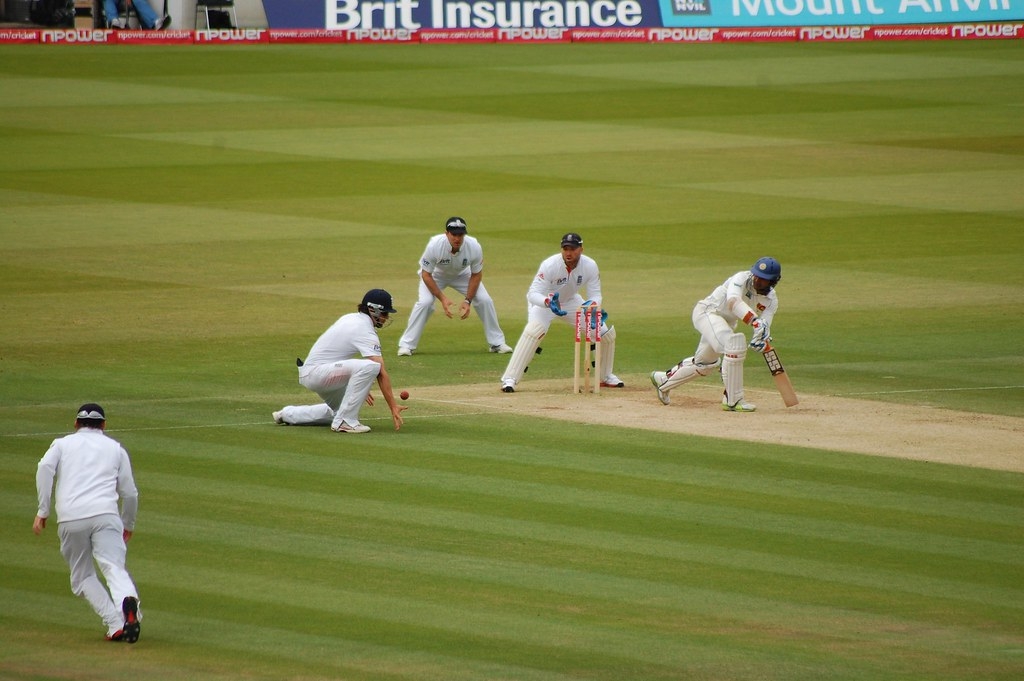
Cricket is often categorized as a game of individual duels set within a team framework. A bowler runs in to deliver the ball to a batsman, creating a high-stakes, one-on-one confrontation. However, beneath this surface dynamic lies a deeply collaborative sport where continuous, clear communication determines success or failure. In competitive cricket, where matches can span several hours or even days, team communication serves as the connective tissue that aligns strategy, sustains focus, and executes tactical adjustments under pressure.
Whether navigating the intense overs of a Twenty20 match or enduring the methodical chess match of a multi-day fixture, cricket teams rely heavily on active verbal and non-verbal exchanges. Effective communication on the field transcends simple calls between batsmen running between the wickets. It encompasses field placements, bowling strategies, emotional support, tactical feedback, and leadership direction. Mastering these communication dynamics elevates good teams into championship contenders.
On-Field Communication Between Batsmen
The partnership between two batsmen at the crease is one of the most immediate and critical points of communication in cricket. Operating in a high-pressure environment with changing field settings and varying pitch conditions, batsmen must maintain absolute clarity to maximize scoring and avoid costly misunderstandings.
Running Between the Wickets
The most crucial verbal interaction at the crease involves calling for runs. Clear, authoritative, and timely calls prevent run-outs, which often shift the momentum of a competitive match instantly. Standardized terms such as “Yes,” “No,” and “Wait” must be projected with absolute conviction.
-
The Primary Caller: The batsman moving toward the direction of the hit generally holds the primary responsibility for the call, as they possess the clearer field of vision.
-
Decisiveness: Hesitation between partners creates doubt, leading to mid-pitch mid-offs and easy dismissals for the fielding side.
-
Non-Verbal Cues: Experienced batting partners supplement verbal calls with eye contact, body language, and subtle hand gestures, especially in loud stadiums where crowd noise drowns out voice calls.
Assessing Pitch Conditions and Tactics
Communication between overs provides batsmen with an opportunity to exchange intelligence about the playing surface and opponent strategy. A batsman facing a fresh bowler or a newly introduced spinner can pass along vital information to their partner. They discuss ball movement, bounce variability, bowler variations, and potential gaps in the field. This real-time exchange allows the partnership to adapt its approach collaboratively rather than relying on trial and error individually.
Managing Pressure and Maintaining Focus
Competitive cricket tests mental endurance. When an opponent bowls a tight spell or conditions favor the bowling attack, batsmen must support each other emotionally. Brief mid-pitch conversations between overs help reset focus, calm nerves, and reinforce the team strategy. A quick word of encouragement or a simple gesture like tapping bats helps clear mental fatigue and keeps both players committed to the long-term plan.
Defensive Coordination and Fielding Dynamics
While batting partnerships require tight two-person communication, fielding demands seamless synchronization among eleven players spread across a massive playing surface. A fielding unit that communicates effectively creates a hostile environment for the opposition and maximizes wicket-taking opportunities.
Captain and Bowler Tactical Alignment
The relationship between the team captain and the bowler on over-by-over tactical setup forms the backbone of a side’s defensive strategy. Before each over, or even between deliveries, the captain and bowler must discuss field settings that complement the planned bowling lines and lengths.
If a bowler intends to attack with short-pitched deliveries, fielders must be positioned in catching areas behind the wicket or on the boundary at deep fine leg. Proper communication ensures that every fielder understands why they are placed in a specific position, allowing them to anticipate shots rather than merely reacting after the ball is struck.
Directing Fielders and Calling for Catches
In the heat of play, multiple fielders may converge on a high drop shot or a mistimed hit. Without explicit verbal communication, collisions occur, catches are dropped, and injury risks escalate.
-
Clear Ownership: Fielders must loudly shout “Mine!” or “My ball!” early in the ball’s flight path to claim primary responsibility.
-
Back-Up Support: Surrounding fielders must acknowledge the call, clear the immediate area, and position themselves to back up the play in case of a deflection or erratic bounce.
-
Constant Infield Direction: The wicketkeeper, enjoying a full view of the entire field, acts as a primary director, reminding fielders of match situations, runner speeds, and throw targets.
Maintaining Energy and Collective Morale
Fielding for long hours under challenging weather conditions can lead to mental lapses and physical fatigue. Vibrant, continuous communication keeps the fielding side engaged. Constant encouragement, clapping, and active chatter between deliveries maintain high energy levels. This collective enthusiasm creates pressure on the batting side, projecting an image of total dominance and unity.
The Role of Leadership and Dugout Communication
Communication in cricket extends far beyond the active players on the field. The support staff, substitute players, and off-field leadership play a vital role in analyzing data and relaying strategic instructions during match play.
Strategic Relay from the Dugout
Modern competitive cricket utilizes data analytics and tactical research extensively. Head coaches and performance analysts evaluate real-time data in the dugout to identify opponent patterns and structural vulnerabilities. During strategic timeouts, innings breaks, or via substitute fielders carrying drinks to the middle, crucial strategic messages are relayed to the captain and core decision-makers on the field.
Adapting to Shifting Match Situations
Cricket matches evolve rapidly. A sudden rain delay, a ball change, an unexpected injury, or a rapid flurry of wickets requires immediate tactical pivots. Captains must communicate changes clearly to the entire squad without introducing panic or confusion. Concise instruction ensures that every player understands their updated role, whether it involves defending a reduced target or bowling restrictive lines to contain run rates.
Fostering an Environment of Constructive Feedback
Great cricket leaders establish a culture where communication flows both ways. Captains who listen to feedback from senior players, bowlers, and wicketkeepers make better operational decisions. Furthermore, handling errors constructively, such as offering reassurance after a dropped catch or an expensive over, preserves team morale and prevents individual mistakes from compounding into a broader team collapse.
Key Attributes of Effective Cricket Communication
To function successfully in high-stress competitive environments, cricket teams prioritize specific communication traits across all aspects of their play.
-
Clarity: Messages must be straightforward and free of ambiguity, ensuring immediate comprehension by all team members.
-
Volume and Tone: Vocalizations must overcome stadium noise while maintaining an encouraging, controlled tone that conveys confidence.
-
Timing: Feedback and instructions must be delivered at the appropriate moment so players can process information without feeling overwhelmed.
-
Inclusivity: Every member of the playing eleven, from international veterans to debutants, must feel empowered to communicate pertinent observations.
Frequently Asked Questions
How do professional cricket teams communicate effectively in stadiums with extreme crowd noise?
Professional teams rely heavily on standardized non-verbal cues, visual signals, and established routines when crowd noise renders verbal calls ineffective. Batsmen use definitive hand signals, eye contact, and head nods to confirm runs, while captains employ distinct hand gestures to adjust field positions across long distances. Pre-match tactical meetings also ensure players understand their default responsibilities without requiring constant verbal reminders.
What is the role of the wicketkeeper as a central communication hub on the field?
The wicketkeeper occupies the most strategic viewing angle on the field, positioned directly behind the striker’s wicket. Because they can observe pitch behavior, bowler release points, and batsman movement clearly, the keeper constantly directs infielders, suggests subtle bowling adjustments, encourages the bowler, and calls out target stumps for throw-ins from the outfield.
How does communication change between different cricket formats such as Test matches and Twenty20s?
In Twenty20 cricket, communication is rapid, highly tactical, and focused on immediate adjustments per ball or over due to the fast pace and limited time. In contrast, Test match communication focuses on long-term strategy, building sustained pressure over hours, monitoring pitch deterioration, managing bowler workload, and maintaining high mental energy over multi-day periods.
How can a team repair communication breakdowns during a match after a critical error like a run-out?
To repair communication breakdowns after an error, team leaders and experienced players must intervene immediately to de-escalate tension and prevent blame shifting. A brief meeting at the crease or in the huddle allows players to acknowledge the miscommunication calmly, clarify standard calling protocols, and refocus collective attention entirely on the remaining overs of the match.
What impact does non-verbal body language have on an opponent during a competitive match?
Body language serves as a powerful form of silent communication directed at the opposing team. Confident posture, proactive field movement, swift recovery after boundaries, and synchronized team celebrations project unity and dominance. Conversely, slumped shoulders, visible frustration, or arguments between teammates signal weakness and boost the opposing side’s confidence.
How do language barriers get addressed in multi-cultural or franchise cricket leagues?
In franchise leagues featuring international players who speak different primary languages, teams establish simplified, universal cricket terminology and basic English keywords for core on-field functions. Teams also pair non-native speakers with bilingual teammates who can act as translators during strategic huddles, tactical timeouts, and dressing room briefings.
What methods can youth or amateur cricket teams use to improve their on-field communication skills?
Amateur teams can improve communication by practicing specific calling drills during net sessions, forcing batsmen to call every single hit aloud. Fielders should practice simulated high-catch drills where calling ownership clearly is mandatory. Coaches can also assign leadership roles during practice matches, encouraging quiet players to take charge of field placements and bowler encouragement.