
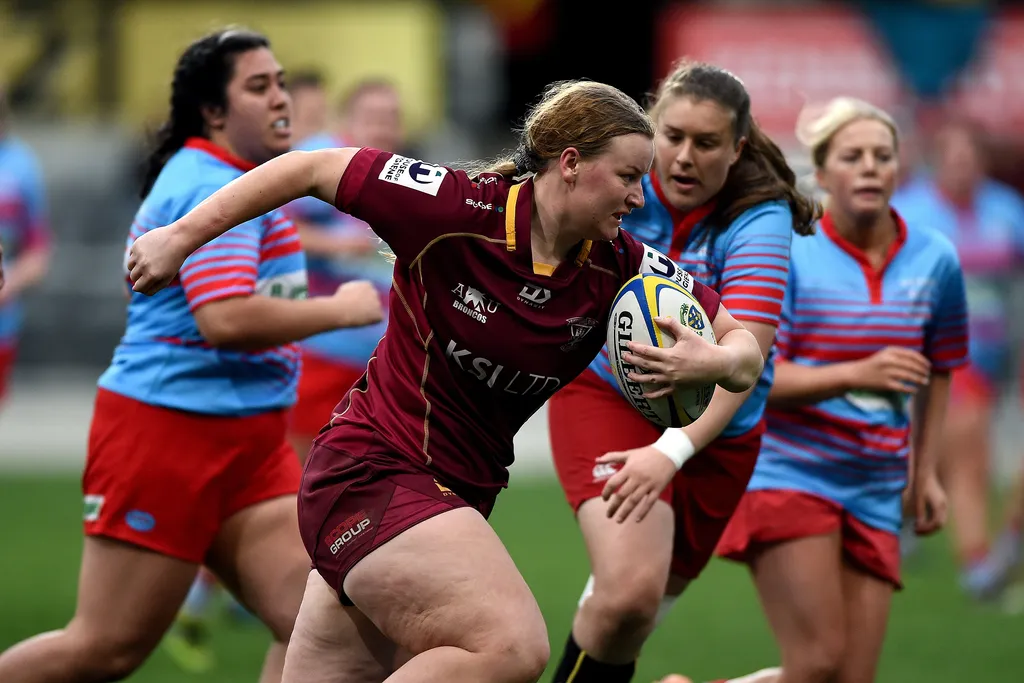
Rugby is universally recognized as one of the most physically demanding collision sports in the world. Modern players must possess exceptional explosive power, aerobic endurance, positional agility, and the physical resilience to endure eighty minutes of continuous high-impact contact. However, elite athletes and coaching staffs have increasingly recognized that physical conditioning represents only half of the winning equation. In high-stakes competitive rugby, mental preparation serves as the ultimate engine of performance.
The dynamic nature of rugby requires players to execute complex tactical decisions while under extreme physical exhaustion and intense environmental stress. A lapse in concentration, an emotional outburst leading to a yellow card, or hesitation during a defensive shift can instantly turn the tide of a match. Systematic mental preparation equips athletes with the cognitive tools required to regulate emotional arousal, maintain laser-like focus, adapt to shifting game circumstances, and maintain unwavering confidence from kickoff to the final whistle.
The Psychological Demands of Competitive Rugby
Understanding why mental preparation is critical requires examining the unique cognitive challenges inherent to the sport. Rugby combines elements of chaos, structure, rapid physical fatigue, and strict officiating rules that test an athlete’s psychological limits continuously.
Decision-Making Under Severe Fatigue
As fatigue sets in during the late stages of a match, the brain experiences cognitive decline. Physical exhaustion reduces reaction times, impairs spatial reasoning, and limits working memory. A fly-half must still read defensive lines, evaluate wind conditions, and execute precise kicking strategies despite an elevated heart rate and lactic acid accumulation. Mental conditioning trains the brain to process information efficiently under physical distress, ensuring that decision-making remains sharp when bodies are tired.
Managing Physical Contact and Threat Appraisal
Rugby involves violent, high-speed collisions at the breakdown, in the tackle, and during scrum engagements. The human brain naturally perceives violent contact as a threat, which can trigger a freeze or retreat response if an athlete is mentally unprepared. Mental toughness allows players to reframe physical contact from a threat into an operational objective, enabling them to commit to tackles, commit to rucks, and dominate physical encounters assertively without hesitation.
Emotional Control in High-Pressure Settings
Rugby matches are filled with emotional triggers: contentious refereeing decisions, hostile home crowds, physical provocation from opponents, and costly individual errors. Losing emotional control leads to discipline failures, such as high tackles or off-the-ball retaliation, which put the team at a severe numerical disadvantage. Mental preparation helps players develop emotional regulation techniques to keep their composure intact despite provocative circumstances.
Core Pillars of Mental Preparation in Rugby
Building mental resilience is not a matter of luck or personality; it is a systematic process built on proven sports psychology principles. Teams integrate specific psychological strategies into their weekly preparation schedules to build mental fortitude.
Visualization and Mental Rehearsal
Visualization involves mentally rehearsing specific match scenarios, technical skills, and tactical executions before stepping onto the pitch. Elite players use vivid imagery incorporating sight, sound, and physical touch to prime their nervous systems.
-
Set-Piece Execution: Hookers and lineout jumpers visualize the throw trajectory, jump timing, and ball capture under pressure, locking in technical mechanics.
-
Goal Kicking: Kickers walk through their entire routine mentally, visualizing the ball striking the sweet spot and splitting the uprights regardless of crowd noise or weather conditions.
-
Defensive Scanning: Backline defenders rehearse reading opponent backline plays, communicating assignments, and closing down space decisively.
Controlled Self-Talk and Cognitive Reframing
The internal dialogue running through a player’s mind heavily influences their physical output and confidence. Uncontrolled negative self-talk breeds self-doubt and muscular tension. Mental preparation replaces reactive thoughts with structured, instructional, and motivational self-talk. Using simple cue words like “low pad level,” “drive feet,” or “reset” helps direct a player’s focus back to immediate tactical actions rather than dwelling on past mistakes or future outcomes.
Arousal Regulation and Breathing Techniques
Finding the optimal zone of performance requires controlling bodily arousal. If a player is under-aroused, they lack the physical intensity needed for collisions. If they are over-aroused, they suffer from tunnel vision, poor tactical choices, and premature physical fatigue. Players utilize controlled breathing exercises, such as rhythmic diaphragmatic breathing, during stoppage times, scrum setups, and kick preparations to lower elevated heart rates and regain cognitive clarity.
Pre-Match Routines and Rituals
Consistency in mental performance relies heavily on structured pre-match routines. A well-designed routine creates a feeling of control, familiarity, and readiness, reducing pre-game anxiety and centering the athlete’s focus.
The Physical-to-Mental Bridge
A comprehensive pre-match routine begins hours before kickoff. It covers nutrition, hydration, dynamic mobility, and tactical reviews, but also incorporates dedicated mental checkpoints. Players use music, quiet reflection, or group activation drills to transition progressively from a calm state into a focused, battle-ready mindset.
The Power of Reset Routines
Because rugby is a game of frequent mistakes and unpredictable bounces, the ability to reset immediately after an error is vital. Successful players create physical anchor points to reset their focus. A player might adjust their wrist tape, touch their boots, or take a deep breath while looking at a specific spot on the crossbar. This physical cue signals to the brain that the mistake is in the past and that complete attention must return to the next play.
Leadership and Collective Team Mindset
While individual mental preparation is crucial, rugby is fundamentally a team sport where individual mindsets combine to form a collective team culture. Leadership structures play an essential role in establishing and maintaining this collective resilience.
Captaincy and On-Pitch Communication
The captain and senior leadership group serve as the team’s emotional compass. During intense match situations, such as defending consecutive phases on their own try line, the team relies on clear, calm, and constructive communication from leaders. Leaders project composure, reinforce tactical directives, and prevent collective panic during adversity.
Shared Cultural Identity and Clarity of Purpose
Teams that possess a defined cultural identity and a shared tactical purpose demonstrate superior resilience. When every player clearly understands their role within the system and trusts their teammates implicitly, cognitive load is significantly reduced. This trust eliminates hesitation and allows the unit to operate as a cohesive, adaptable system during pressure situations.
Integrating Mental Training into Daily Practice
For psychological techniques to be effective during a final match, they cannot be introduced solely on game day. They must be woven into daily practice sessions throughout the season.
-
Pressure-Loaded Drills: Coaches deliberately introduce artificial stress into practice sessions, such as applying restrictive time limits, introducing unfavorable referee calls, or adding physical conditioning consequences to simulated mistakes.
-
Scenario-Based Training: Simulating specific high-pressure scenarios, such as defending a five-meter scrum with a two-point lead in the final minute, conditions players to execute strategic plans under duress.
-
Post-Match Psychological Reviews: Evaluating mental performance alongside physical and tactical metrics helps players identify emotional triggers, assess decision-making quality, and refine their psychological toolkits continuously.
Frequently Asked Questions
How can a rugby player overcome pre-match anxiety and nerves before a major game?
A player can manage pre-match anxiety by focusing strictly on process-oriented goals rather than match outcomes. Engaging in structured pre-game routines, practicing controlled diaphragmatic breathing, and using positive instructional self-talk helps shift the nervous system out of an anxious state into a state of focused readiness.
What is the ideal level of psychological arousal for a forward versus a back in rugby?
Forwards generally require a higher level of physical arousal to meet the intense demands of scrummaging, rucking, and tackle collisions. Backs, particularly fly-halves and scrum-halves, often benefit from a slightly lower, more controlled level of arousal because their roles demand delicate skill execution, precise spatial vision, and complex decision-making.
How does mental fatigue impact physical tackle completion rates in rugby?
Mental fatigue slows cognitive processing speeds and impairs spatial judgment, causing defenders to misjudge ball-carrier angles and timing. This hesitation leads to poor head and body positioning during contact, resulting in missed tackles, higher penalty rates, and an increased risk of physical injury.
What strategies help a goal kicker maintain composure in high-stakes situations?
Goal kickers maintain composure by relying on a strict, repeatable pre-kick routine that controls physical movement and timing. By focusing entirely on internal mechanics, such as pick-up spots and target alignment, kickers block out crowd noise, scoreboard pressures, and weather conditions.
How do coaches build resilience in a squad after a devastating defeat?
Coaches build resilience by conducting objective, emotion-free video reviews that frame errors as learning opportunities rather than personal failures. Reinforcing squad strengths, setting clear tactical benchmarks for the upcoming week, and maintaining an encouraging training environment helps rebuild trust and collective confidence rapidly.
How does concussion protocol management impact a player’s mental state?
Enforced concussion protocols can create frustration and anxiety for players who feel eager to return to competition. Integrating sports psychology support during rehabilitation helps athletes process the temporary isolation, maintain their tactical knowledge through visualization, and regain confidence in physical contact before returning to full-intensity play.
What role does mindfulness play in modern professional rugby preparation?
Mindfulness training teaches athletes to observe their thoughts, emotions, and physical sensations without judgment in real time. In rugby, this skill allows players to recognize feelings of frustration, panic, or exhaustion during a match, acknowledge them quickly, and let them pass without allowing those emotions to dictate their behavior on the pitch.