
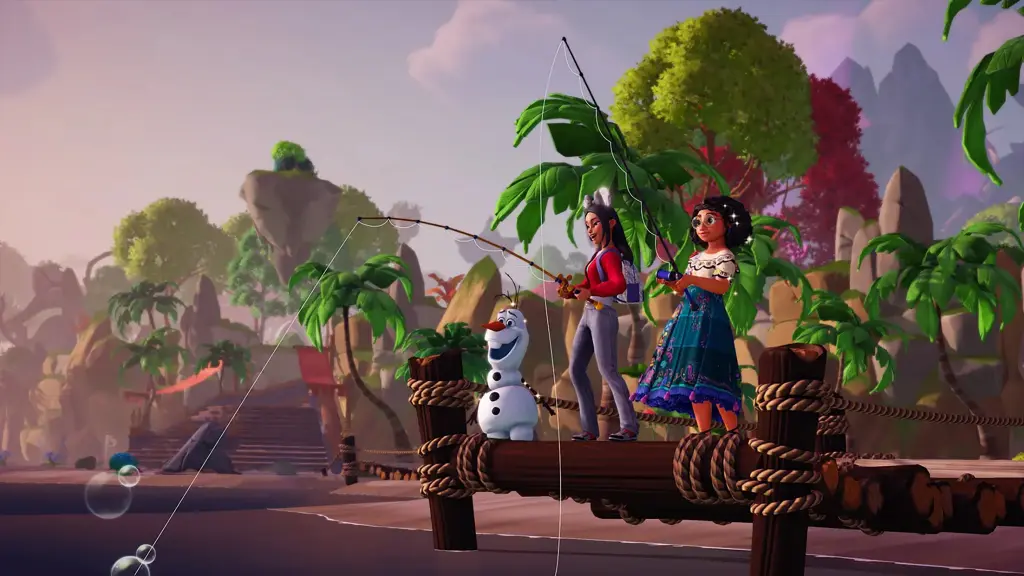
Introduction: The Universal Joy of Games
Games have been an integral part of human culture since the dawn of civilization. From ancient board games played under oil lamps to today’s hyper-realistic video games powered by advanced technology, the act of playing has always held profound social, psychological, and cultural significance. Games offer more than mere entertainment; they challenge our minds, strengthen our bodies, connect communities, and reveal our innermost desires to explore, compete, and create. Whether they are physical, mental, or digital, games remain a timeless expression of human spirit.
The Historical Canvas: Games Through the Ages
Games are not a modern invention. Historical records show that as far back as 3100 BCE, people in Mesopotamia played board games such as The Royal Game of Ur, one of the earliest known structured games. Ancient Egyptians played Senet, while the Chinese introduced Go, a game of profound strategic depth. These early games were not just recreational; they often had religious or symbolic importance, reflecting the cultural values and philosophical outlooks of their times.
As societies evolved, so did their games. Chess emerged in India during the 6th century and became a symbol of strategy and intellect across Europe and Asia. Meanwhile, physical games like wrestling, archery, and ball sports were practiced to promote strength, endurance, and military readiness. Games served both as training tools and social rituals, deeply embedded in the everyday life of ancient civilizations.
Categories of Games: A Diverse Landscape
Modern games come in a wide array of formats, each appealing to different interests, skills, and age groups. Their classification is as vast as their diversity, yet some broad categories help structure the understanding of this expansive domain.
Popular types of games include:
-
Board Games – Including classics like Monopoly, Scrabble, and Catan, these games emphasize strategy, vocabulary, negotiation, and sometimes chance
-
Card Games – From Poker to Uno, card games offer endless variations and are played globally for both leisure and competition
-
Sports and Outdoor Games – Football, cricket, badminton, and tag promote physical fitness and social interaction
-
Video Games – Encompassing genres like role-playing, shooters, simulations, and puzzle games, video games now form a major pillar of modern entertainment
-
Mind Games and Puzzles – Sudoku, chess, riddles, and brainteasers foster critical thinking and cognitive development
This rich landscape ensures that there is a game for every personality and situation, from solo reflection to vibrant group dynamics.
The Psychological and Educational Value
Games are more than pastimes—they are potent tools for growth and learning. Psychologists and educators increasingly recognize the cognitive and emotional benefits of gameplay, especially among children and adolescents.
Key benefits of playing games:
-
Cognitive Development – Games enhance memory, concentration, problem-solving, and spatial reasoning
-
Emotional Intelligence – They teach patience, empathy, and resilience, especially in competitive scenarios
-
Social Skills – Multiplayer games promote teamwork, communication, negotiation, and leadership
-
Stress Relief – Play offers an escape from routine, helping reduce anxiety and improve mood
For younger learners, educational games can reinforce academic subjects in an engaging manner. From math puzzles to language apps, the integration of game mechanics into learning environments is revolutionizing modern education.
The Digital Era: The Rise of Video Games
The advent of computer and console-based gaming in the late 20th century marked a paradigm shift in the world of games. What began with simple arcade titles like Pac-Man and Tetris has now grown into a multi-billion-dollar global industry, complete with professional esports, virtual economies, and expansive online communities.
Trends in modern video gaming include:
-
Massively Multiplayer Online Games (MMOs) – Games like World of Warcraft and Fortnite bring together millions of players in shared virtual worlds
-
Mobile Gaming – With smartphones in every pocket, games like Candy Crush and Clash of Clans offer on-the-go entertainment
-
Virtual and Augmented Reality – Immersive platforms such as VR headsets are pushing the boundaries of interaction and realism
-
Game Streaming and Content Creation – Platforms like Twitch and YouTube have transformed gamers into influencers and entertainers
As technology continues to evolve, video games are becoming richer in narrative, deeper in immersion, and more inclusive in design.
Games as Cultural Mirrors
Games reflect and shape the societies in which they exist. They encapsulate cultural values, historical narratives, and philosophical outlooks. For example, traditional games in African or Native American cultures often emphasize community cooperation rather than competition. Meanwhile, strategy games may mirror a society’s appreciation for tactical planning and critical thought.
Cultural dimensions of games include:
-
Language and Storytelling – Games often incorporate folklore, mythology, or historical events
-
Moral Dilemmas – Some games encourage players to make ethical choices, stimulating introspection
-
Representation and Diversity – Modern developers are increasingly focused on inclusive character design and culturally sensitive storytelling
In this way, games do not just entertain—they educate, challenge, and reflect the world around us.
The Social Side of Games: Connection and Competition
Games serve as social glue, bringing people together in both casual and competitive settings. From family game nights to international tournaments, the shared experience of playing fosters camaraderie and healthy rivalry.
Social functions of games include:
-
Bonding – Families and friends connect through shared laughter, strategy, and teamwork
-
Competitive Excellence – Esports and professional leagues offer athletes and gamers a platform for recognition
-
Community Building – Online forums, fan clubs, and local game groups create a sense of belonging
In an increasingly digital and fragmented world, games continue to offer real human connection in both physical and virtual spaces.
The Future of Games: Innovation and Responsibility
The future of games lies at the intersection of creativity, technology, and ethics. Artificial intelligence, blockchain integration, and biofeedback systems are redefining how games are created and experienced. Yet, with great innovation comes great responsibility.
Future considerations in gaming include:
-
Digital Well-being – Encouraging balanced gaming habits and mitigating addiction risks
-
Sustainable Design – Reducing environmental impact in production and hardware development
-
Ethical Development – Ensuring games are free from harmful stereotypes, excessive violence, and predatory monetization
As the industry matures, players, developers, and educators must work together to ensure that games remain a force for good.
Conclusion: The Eternal Allure of Play
Games are timeless. They echo in the laughter of children, the focus of a grandmaster, the thrill of a last-minute goal, and the satisfaction of solving a difficult puzzle. They are a reflection of human imagination, competition, and cooperation. Whether played on grassy fields, across kitchen tables, or through glowing screens, games bring joy, challenge, and connection to every corner of the world.
As technology transforms the ways we play, the essence of games remains unchanged—the celebration of play, the pursuit of mastery, and the deep, enduring human need to interact, imagine, and explore.