
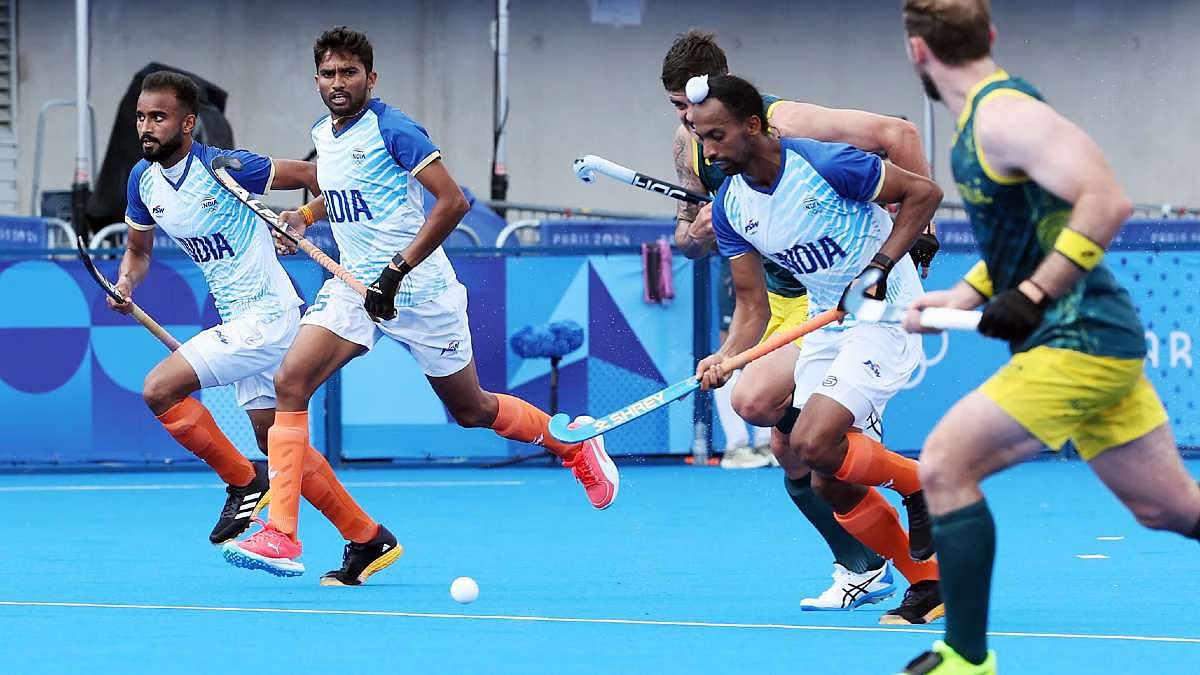
Introduction: A Game of Grit, Grace, and Glory
Hockey is a game where raw power meets refined skill, where icy surfaces become battlegrounds of speed, precision, and endurance. Whether played on frozen ponds or in gleaming indoor arenas, hockey stirs the soul with its fast-paced action, strategic depth, and unrelenting intensity. For players and fans alike, it is more than a sport—it is a way of life, an expression of resilience, unity, and the eternal thrill of competition. From its early incarnations to its status as a global athletic spectacle, hockey remains a captivating blend of tradition and adrenaline.
The Origins: From Frozen Fields to International Fame
The roots of hockey trace back centuries, with early versions played in various cold-climate cultures across Europe and North America. The modern game of ice hockey began to crystallize in the 19th century in Canada, where British soldiers and locals adapted field hockey for the winter months. The first recorded indoor hockey match took place in Montreal in 1875, marking the formalization of rules that would evolve into today’s professional standards.
Soon after, hockey began spreading across borders. By the early 20th century, it had reached the United States, Europe, and eventually the entire globe. The formation of the National Hockey League (NHL) in 1917 and the inclusion of ice hockey in the Winter Olympics in 1920 solidified the sport’s stature on the world stage.
Understanding the Game: Structure and Speed
At its core, hockey is a contest between two teams, each aiming to score goals by shooting a puck into the opponent’s net. Played in three periods of 20 minutes each, the game demands relentless motion, tactical cohesion, and lightning-fast decision-making.
Key components of hockey include:
-
Skating – The foundation of movement, requiring agility, balance, and explosive speed
-
Stickhandling – Controlling the puck with finesse, enabling creative plays and evasive maneuvers
-
Shooting – A combination of power and accuracy to outwit the goaltender
-
Checking – Legal physical contact used strategically to dispossess opponents or disrupt play
-
Goaltending – The last line of defense, requiring sharp reflexes and mental toughness
The fluid nature of the game makes it one of the fastest team sports in existence, where momentum can shift in seconds and every play carries weight.
Strategy and Structure: More Than Muscle
While hockey is known for its physicality, it is also a deeply strategic sport. Coaches meticulously plan formations, line combinations, and special teams to exploit opponents’ weaknesses and maximize their own strengths.
Common strategic elements include:
-
Forechecking systems – Applying pressure in the offensive zone to regain possession
-
Power plays and penalty kills – Tactical responses to situations where teams play with a man advantage or disadvantage
-
Zone defense vs. man-to-man – Different approaches to managing space and neutralizing threats
-
Transition play – Swiftly turning defense into offense, often leading to breakaways or counterattacks
At elite levels, mental agility is as crucial as physical prowess, with players required to read the game in real time and respond accordingly.
The Icons and Influencers: Legends on Ice
Hockey’s history is illuminated by players whose talent and charisma have shaped the sport’s identity. Their contributions extend beyond goals and assists, capturing the hearts of fans and elevating hockey’s global image.
Some legendary hockey figures include:
-
Wayne Gretzky – Known as “The Great One,” he redefined offensive brilliance with unmatched vision and grace
-
Mario Lemieux – A powerful playmaker who overcame personal and professional obstacles to inspire millions
-
Bobby Orr – Revolutionized the role of the defenseman with his end-to-end rushes and game-changing style
-
Sidney Crosby and Alexander Ovechkin – Modern-era stars who brought fresh excitement and fierce rivalry to the NHL
These athletes are not just record-holders but role models who reflect the character and commitment hockey demands.
Hockey Around the World: A Game Without Borders
Although traditionally dominated by North American and European countries, hockey is now embraced across continents. Nations like Russia, Sweden, Finland, and the Czech Republic have long histories of excellence, while countries such as Switzerland, Germany, and even China are investing heavily in growing the sport.
The global hockey landscape includes:
-
International competitions – The IIHF World Championships, Winter Olympics, and World Cup of Hockey attract massive global audiences
-
Women’s hockey – Gaining visibility and momentum, with stars like Hayley Wickenheiser and Hilary Knight leading the charge
-
Youth development – Grassroots programs and academies nurturing young talent in new regions
This worldwide expansion ensures that hockey continues to evolve with diverse playing styles, cultures, and talents.
Cultural Impact: More Than a Game
Hockey is woven into the social fabric of countless communities. In Canada, it’s a national obsession; in northern Europe, a proud tradition; in small American towns, a weekend ritual. The sport carries an emotional resonance that unites fans through highs and heartbreaks.
Hockey’s cultural significance includes:
-
Tradition and pride – Passed from generation to generation, fostering community and identity
-
Charitable involvement – Players and teams often support youth initiatives, health programs, and disaster relief efforts
-
Representation and inclusivity – Growing efforts to promote diversity, gender equity, and accessibility in the game
The emotional connection fans feel toward their teams and players makes hockey more than a sport—it becomes a part of life’s rhythm.
The Modern Game: Innovation and Integrity
Today’s game is faster, smarter, and more refined than ever. Advances in equipment, analytics, and training methods have elevated the standard of play while preserving the sport’s core values.
Recent developments in hockey include:
-
Analytics and performance tracking – Using data to inform tactics and player conditioning
-
Equipment innovation – Lightweight, high-impact gear enhancing safety and performance
-
Environmental initiatives – Greener arenas and sustainable practices in league operations
-
Rule enhancements – Efforts to reduce injuries and promote player safety without diminishing competitiveness
These evolutions ensure hockey remains exciting and relevant in the modern sporting landscape.
Lessons from the Rink: What Hockey Teaches Us
Beyond the scoreboard, hockey imparts invaluable life lessons. It teaches individuals how to face adversity, support one another, and maintain grace under pressure. The rink becomes a classroom for character, camaraderie, and courage.
Life lessons from hockey include:
-
Resilience – Learning to bounce back from losses and injuries
-
Teamwork – Trusting teammates and fulfilling your role for collective success
-
Discipline – Staying composed in high-pressure situations
-
Leadership – Setting an example through attitude, effort, and integrity
These qualities extend well beyond the ice, shaping players and fans into stronger, more connected individuals.
Conclusion: The Everlasting Echo of Blades and Cheers
Hockey is more than the sound of skates slicing ice or the roar of a goal—it is a symphony of skill, spirit, and sacrifice. It’s a sport that captures the duality of human experience: grace and grit, triumph and toil, speed and stillness. Whether watched in roaring arenas or played on frozen backyard ponds, hockey continues to inspire and unite people of all backgrounds and ages.
In a world that often moves too fast or too loud, hockey offers a clear, pure challenge: outthink, outskate, outlast. And in doing so, it remains one of the most beloved and enduring games ever played.