
Introduction: The Gentleman’s Game in a Modern World
Cricket, often referred to as the gentleman’s game, is a sport steeped in tradition yet constantly evolving. Played with bat and ball across sun-drenched pitches and under floodlit stadiums, cricket is more than a contest of skill and endurance—it’s a celebration of patience, flair, and strategy. From its village green origins in England to the roaring stadiums of India, Australia, and beyond, cricket has shaped national identities, inspired generations, and woven itself into the cultural tapestry of millions.
Historical Roots: From English Gardens to Global Arenas
The origins of cricket date back to the 16th century in rural England, where it began as a simple pastime among shepherds and farmhands. By the 18th century, it had grown into a structured sport, embraced by the aristocracy and later institutionalized by clubs such as the Marylebone Cricket Club (MCC), which became the game’s custodian.
With British colonial expansion, cricket spread to the far corners of the world—India, Australia, the Caribbean, and Africa. But rather than merely absorbing the sport, these regions embraced and reinvented it. Today, countries like India and Pakistan have not only become powerhouses in the cricketing world but have also elevated the sport into a near-religious experience for fans.
Understanding the Game: Rules, Formats, and Grace
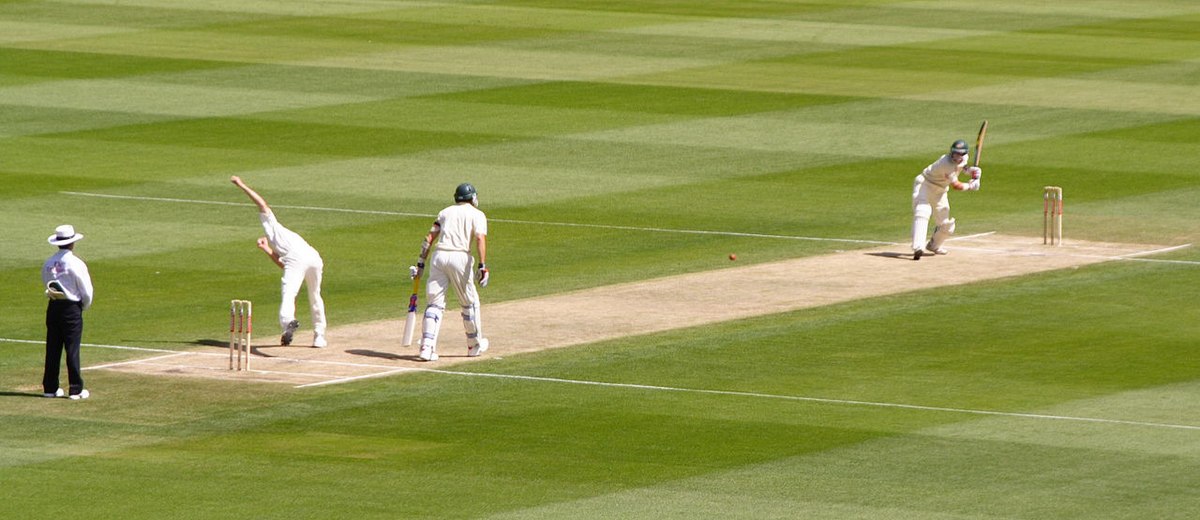
Cricket is unique in its blend of complexity and elegance. It is played between two teams of eleven players each, where one team bats while the other bowls and fields. The aim is to score more runs than the opponent while minimizing wickets lost.
The major formats of cricket include:
-
Test Matches – The longest format, played over five days, known for its strategic depth and narrative richness.
-
One Day Internationals (ODIs) – Limited to 50 overs per side, combining the patience of Test cricket with a faster pace.
-
Twenty20 (T20) – The shortest and most explosive version, featuring intense action and entertainment in just 20 overs per side.
Each format has its unique charm and fanbase, and all demand a delicate balance of physical stamina, mental agility, and precise technique.
The Artistry Within the Game
To the uninitiated, cricket may appear slow, but to the enthusiast, it is a flowing drama where every delivery can turn the tide. Batting, for example, is not merely hitting the ball—it’s timing, judgment, and creativity under pressure.
Key roles in cricket:
-
Batsman – The artist at the crease, crafting innings with elegance or aggression depending on the match situation.
-
Bowler – The tactician, using swing, spin, or pace to outfox the batsman.
-
Wicketkeeper – The guardian behind the stumps, requiring sharp reflexes and unwavering focus.
-
Fielders – The silent warriors whose speed and precision can change the momentum of a game in a heartbeat.
Each role complements the others, reinforcing cricket’s essence as a team sport with individual brilliance at its heart.
The Icons and Legends
Cricket’s rich history has been shaped by legends whose names evoke admiration and nostalgia. From the stoic grace of Sir Donald Bradman to the mastery of Sachin Tendulkar, the charisma of Brian Lara to the resilience of Jacques Kallis, cricket has given the world countless heroes.
Some cricketing greats include:
-
Sir Donald Bradman – Widely regarded as the greatest batsman in history with an unmatched average of 99.94.
-
Sachin Tendulkar – The ‘Little Master’ whose record-breaking career inspired billions.
-
Muttiah Muralitharan – The wizard of spin with a world-record 800 Test wickets.
-
MS Dhoni – A cool-headed captain whose leadership style transformed Indian cricket.
These figures are more than sportspeople—they are cultural icons whose stories transcend the boundaries of the sport.
Cultural Reverence and Fan Frenzy
Cricket is not merely watched; it is lived. In countries like India, Pakistan, Bangladesh, and Sri Lanka, cricket fever is palpable. Streets empty during major matches, and players are celebrated like deities. The Indian Premier League (IPL) and other T20 leagues have added a festive flavor to the game, fusing sport, entertainment, and commerce in spectacular fashion.
Why cricket resonates so deeply:
-
National pride – Victories and defeats become shared experiences, often shaping national moods.
-
Community bonding – Matches unite people across generations, backgrounds, and beliefs.
-
Narrative power – The game’s long duration allows for story arcs, comebacks, and moments of high drama.
Even in nations where cricket is a minor sport, its unique charm continues to attract new audiences and budding enthusiasts.
The Evolution of the Modern Game
While cricket’s soul remains intact, the modern game has seen remarkable innovation. Technology has become a cornerstone of fair play and performance enhancement.
Key developments include:
-
DRS (Decision Review System) – Ensuring accuracy in umpiring decisions through ball-tracking and ultra-edge technology.
-
Hawk-Eye and Snickometer – Tools that enhance transparency and viewer engagement.
-
Fitness and analytics – Teams now rely heavily on data analytics and specialized training regimes for peak performance.
The commercialization of cricket, especially through franchise leagues, has also changed the financial landscape, providing players with lucrative opportunities and fans with round-the-year engagement.
Life Lessons from the Pitch
Cricket, like life, is unpredictable. It teaches resilience after setbacks, humility in success, and the value of patience. It mirrors human virtues and frailties, providing not only entertainment but moral reflection.
Lessons cricket imparts:
-
Discipline and focus – Staying sharp through long hours of play.
-
Teamwork and trust – Relying on partners while performing one’s own role.
-
Handling pressure – Performing with clarity in high-stakes moments.
-
Respect and sportsmanship – Honoring opponents and officials, maintaining the spirit of the game.
These values continue to make cricket a game that builds character as much as skill.
Conclusion: The Infinite Game
Cricket is a celebration of balance—between tradition and innovation, skill and strategy, flair and fortitude. It is a sport that evolves with time but never loses its soul. Whether played under a tropical sun in Mumbai, in the cool breeze of London, or on a dusty pitch in a small village, cricket remains an ode to human endeavor and artistry.
In its bat strokes, in its spinning deliveries, in the gasps of fans and the quiet tension before a final over, cricket holds within it a story of grace, grit, and greatness—a story that continues, endlessly, every time the umpire calls, “Play.”