
Introduction: A Sport Carved by Ice and Passion
Hockey is a sport that marries raw physicality with breathtaking finesse, combining speed, skill, and strategic depth in a fast-paced contest of wills. It captivates audiences with its electrifying tempo and never-ceasing intensity, demanding both mental agility and physical endurance from its players. Whether played on ice or a field, hockey’s evolution and global appeal reveal much about its enduring power to inspire teamwork, resilience, and passion.
The Origins and Evolution: From Ancient Roots to Modern Glory
The history of hockey is as rich and varied as the climates and cultures that have embraced it. Early versions of the game can be traced back thousands of years, with stick-and-ball games played by Indigenous peoples across North America and native communities in Europe and Asia. The modern codification of hockey, however, primarily took shape in the 19th century.
-
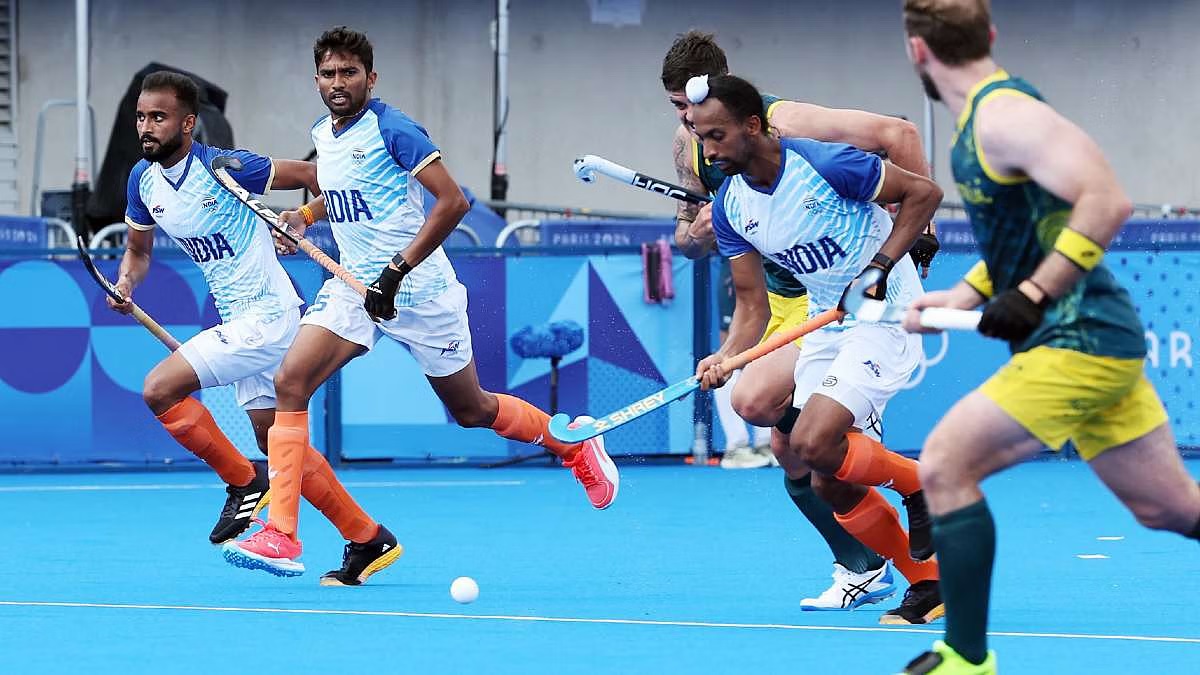
Field Hockey: With origins deeply rooted in British public schools, field hockey formalized its rules in the late 1800s. It quickly spread across the British Empire, becoming a favorite in countries like India, Pakistan, Australia, and the Netherlands.
-
Ice Hockey: Emerging from the frozen ponds of Canada in the 19th century, ice hockey developed rapidly into a professional sport. The establishment of the National Hockey League (NHL) in 1917 signaled the beginning of a new era, with teams and players achieving legendary status.
Both variants share a common essence: a stick, a ball or puck, and a race to outmaneuver opponents and score goals. Yet each has carved a distinct identity shaped by geography and tradition.
The Anatomy of the Game: Rules, Roles, and Rhythms
At its core, hockey is a contest of precision, timing, and teamwork. The sport demands a blend of physical prowess and tactical insight, where every player contributes to the flow and outcome of the game.
-
Key Positions: For ice hockey, forwards focus on attack and scoring, defensemen protect the goal area, and the goaltender stands as the last line of defense. Field hockey mirrors this structure, with midfielders orchestrating play between defense and attack.
-
Equipment and Playing Surface: Ice hockey requires skates, protective gear, and a puck played on an ice rink. Field hockey uses a ball and sticks on grass or synthetic turf, with less protective equipment but equally rigorous demands.
-
Rules and Scoring: Both versions operate under clear regulations governing offsides, penalties, and game duration. Scoring goals is the ultimate objective, but the methods and style differ, with ice hockey’s rapid, contact-driven nature contrasting with the flowing, continuous play of field hockey.
-
Pace and Physicality: Ice hockey is renowned for its blistering pace and intense physical contact, including body checking. Field hockey, while less physical, emphasizes agility, quick passing, and tactical positioning.
The intricate balance between offense and defense, individual brilliance and collective effort, gives hockey its unique and compelling character.
The Global Stage: Hockey’s Expanding Reach and Cultural Significance
Though hockey’s heartlands lie in Canada, Northern Europe, and the Indian subcontinent, its influence stretches worldwide. Each region infuses the sport with local flavor and cultural pride.
-
Ice Hockey Hotbeds: Canada and the United States dominate in terms of professional leagues and fan devotion. Scandinavia and Russia also boast robust hockey cultures and contribute top talent to international competition.
-
Field Hockey Powerhouses: India and Pakistan have long been synonymous with field hockey excellence, while the Netherlands and Australia offer fierce competition. In recent decades, countries across Africa, Asia, and Europe have intensified their investments in the sport.
-
International Competitions: The Olympics serve as the pinnacle for both forms of hockey, bringing nations together in moments of thrilling athletic drama. The World Cup tournaments and regional championships further cement hockey’s global footprint.
-
Community and Identity: Hockey clubs often act as social institutions, fostering community cohesion and offering youth pathways to sport and personal growth.
This worldwide mosaic ensures hockey remains a unifying force, transcending language and borders.
Icons of the Ice and Field: Players Who Shaped the Game
The sport’s history is enriched by remarkable individuals whose talent and charisma have elevated hockey’s profile.
-
Wayne Gretzky: Known as “The Great One,” Gretzky’s visionary playmaking and scoring records set an unparalleled standard in ice hockey.
-
Dhyan Chand: The legendary Indian field hockey player, whose skill and dominance earned him the moniker “Wizard,” remains a symbol of excellence.
-
Mario Lemieux: A powerful and elegant player, Lemieux’s career showcased resilience and creativity, inspiring countless fans.
-
Maya Stewart: Among field hockey’s contemporary stars, Stewart’s skill and leadership reflect the modern game’s evolution.
These figures personify hockey’s virtues—grit, grace, and unyielding dedication.
Modern Innovations and Challenges: The Future of Hockey
The 21st century has witnessed rapid changes in hockey’s landscape, driven by technology, globalization, and evolving societal values.
-
Technology and Analytics: Video replay, player tracking, and data analytics have revolutionized coaching, officiating, and fan engagement.
-
Safety and Regulation: Greater awareness of concussion risks and player welfare has led to rule changes and improved equipment standards.
-
Media and Popularity: Streaming services and social media platforms have expanded hockey’s reach, engaging younger audiences worldwide.
-
Inclusivity and Growth: Efforts to diversify participation and promote women’s hockey are reshaping the sport’s future, opening new doors and broadening its appeal.
While challenges remain—such as balancing commercialization with tradition and ensuring accessibility—hockey’s resilience and adaptability suggest a vibrant future.
The Essence of Hockey: More Than Just a Game
At its core, hockey transcends mere competition. It is a sport that demands respect, teamwork, and courage under pressure. The rhythm of the game—the rush of a breakaway, the tension of a faceoff, the collective roar after a goal—creates a shared emotional landscape for players and fans alike.
Hockey teaches life lessons: perseverance in adversity, the importance of trust and communication, and the thrill of pursuing excellence with passion. In arenas and on fields across the world, it fosters friendships and forges identities.
Conclusion: Hockey’s Enduring Spirit
Hockey remains one of the world’s most compelling sports—an exhilarating synthesis of speed, skill, and strategy that captures the human spirit’s quest for mastery and camaraderie. Its history, cultural richness, and ongoing evolution affirm its place as more than a game: a dynamic dance where athleticism meets artistry, and passion meets purpose.
For players and fans, hockey is a lifelong journey—one that celebrates the thrill of the contest and the beauty of collective endeavor. In every pass, every shot, and every save, hockey tells a story of resilience, unity, and the relentless pursuit of greatness.